
Meet your Inner Architect
I spent years building something I never launched.
I'm Stephan. I work as an Inner Architect: I help capable people find out what's holding a ceiling they can't explain.
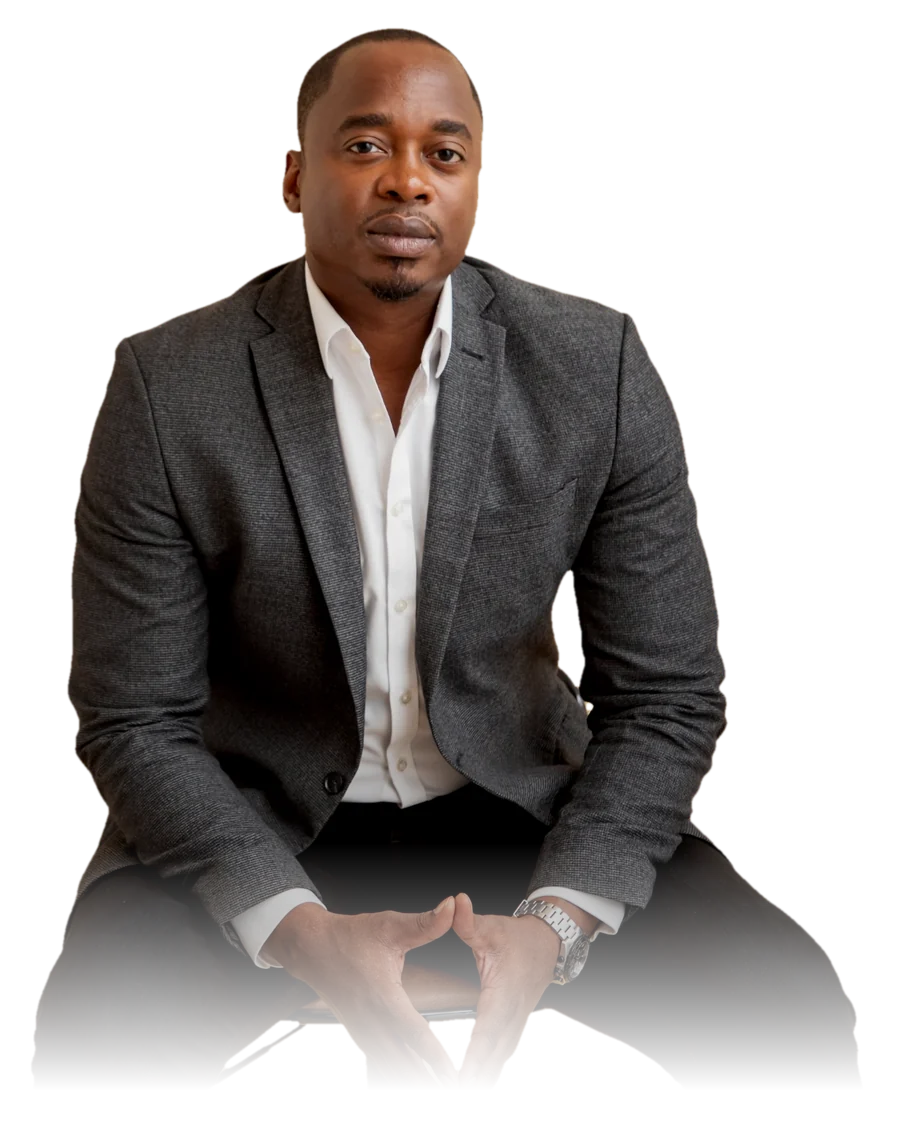
I came to this the hard way. For years I built, refined and prepared. I knew I was good at what I did. Underneath, I didn't believe it. The rule I was running was simple: don't be seen until you're beyond criticism. So nothing was ever ready.
The fear never went away. What changed is that I stopped waiting for it to. I set myself one rule: ship on the date, at whatever standard I've reached by the date. Then I kept doing it, and kept noting what actually happened compared with what I'd feared.
That's the approach I now use with others. You don't always have to remove what's holding you back. Often it's better to build a way round it.
Twenty years, and a new name
I wrote my first development programme over 20 years ago. Since then I've worked with people one to one, in rooms of a few hundred, and now and then in front of a few thousand.
Somewhere along the way I stopped calling myself a coach. The word now covers almost anything, and most of it works on goals and motivation. What I'd actually been doing for years was different: looking at how someone's beliefs, habits and capacity are arranged, and where that arrangement gives way under pressure. "Inner Architect" is the name for that work.
What's new is how I now run it: a structured survey, a written report, and a rule I hold myself to. Before each survey I write down what I expect to find, then score myself against it, including the misses. I'll publish what works and what doesn't.
The one place I still call myself a coach is the Coffee Shop Coach: ten free minutes with me in a London café. That really is coaching, a quick new angle on whatever's stuck, and it's honest to call it that. When something needs looking at properly, that's what the survey is for.
Where the method comes from
Nothing here is new psychology, and I'd be wary of anyone who claimed it was. The parts come from established work: systems thinking (Donella Meadows), acceptance and commitment therapy (Steven Hayes), schema and attachment theory, and habit research. What I add is the order: which layer you can safely work on, given what's underneath it.
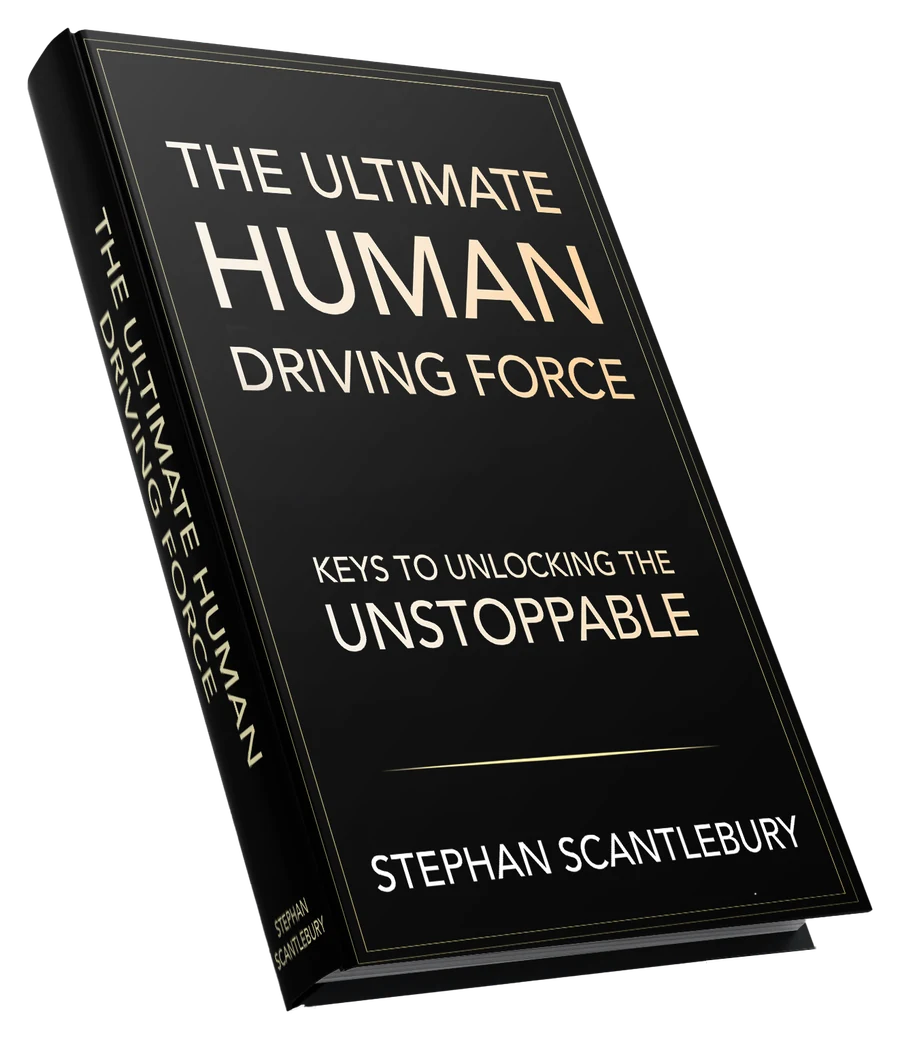
Coming soon
The Ultimate Human Driving Force
Keys to Unlocking the Unstoppable
What drives people, how those drivers fit with the way we're made, and how to line them up so progress builds step by step instead of stalling. Leave your name and email and I'll tell you when it's out. Nothing else.
Thank you. I'll email you when the book is out, and that's all.
Safeguards
I publish what I don't work with.
I'm not a therapist, psychologist or counsellor, and I don't claim to be.